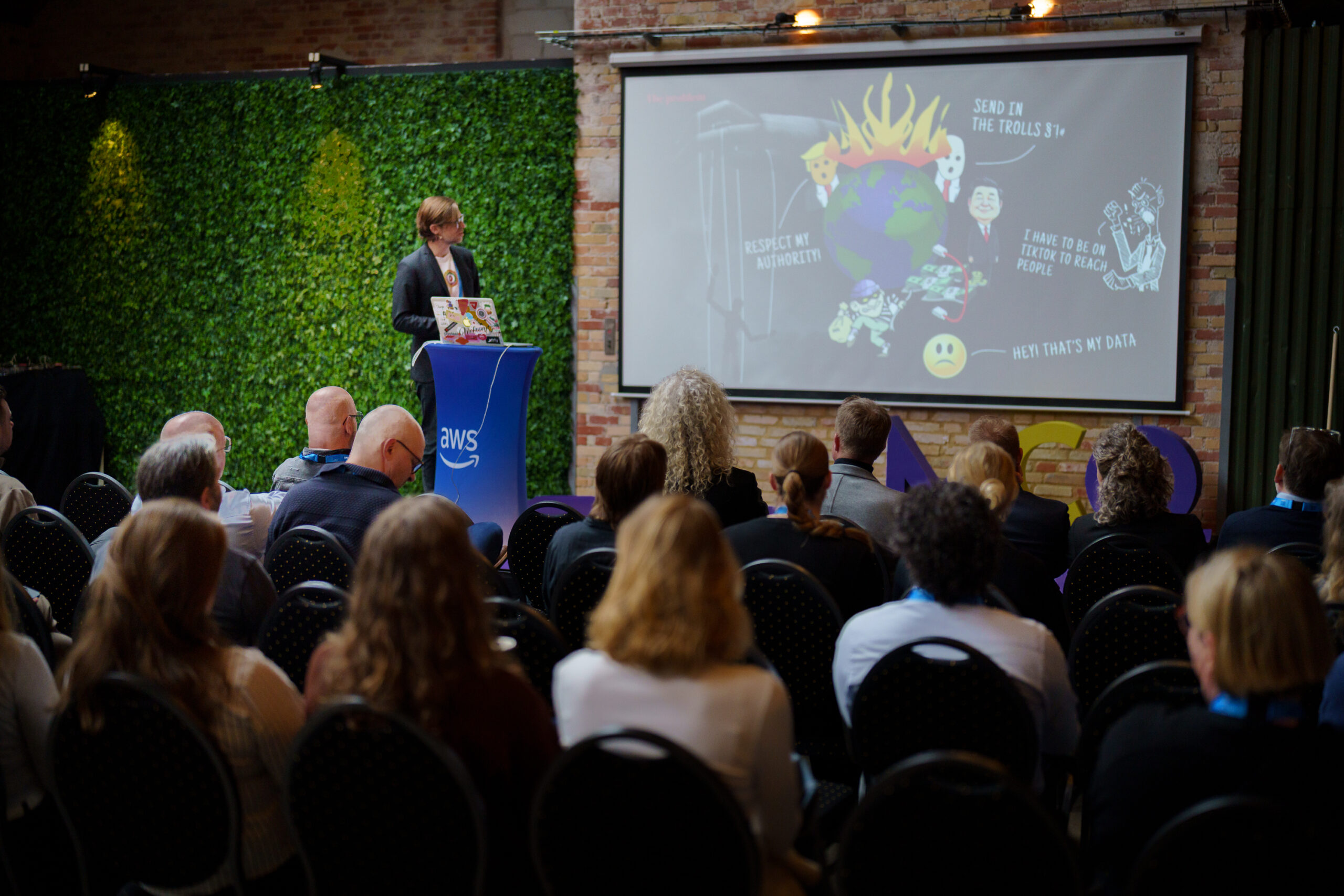
From HTML Graphics to Agile Storytelling – Key Insights from the MediaTech Festival 2026
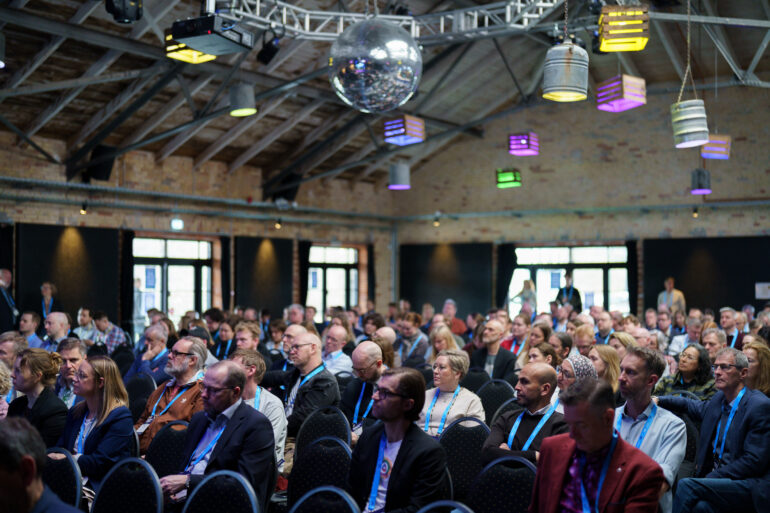
Media Tailor’s Markus Paul and David Mühle report from the MediaTech Festival 2026 on key trends reshaping the media industry. The festival highlighted the shift toward agility, trust, and sustainability.
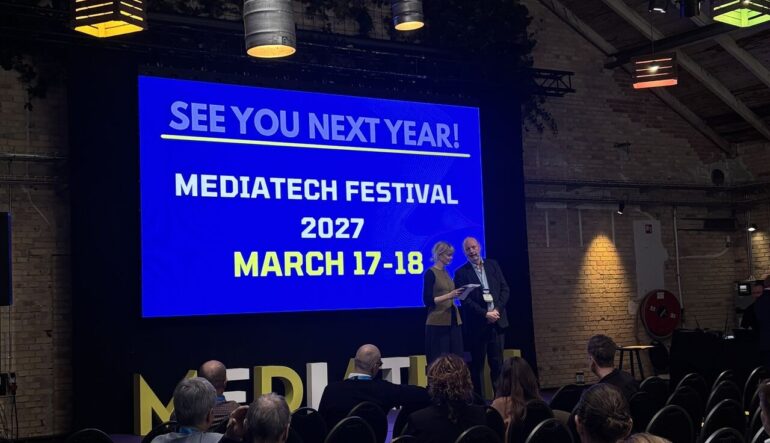
As sponsors of MediaTech Festival 2026 in Odense, we were right in the middle of the shift from legacy workflows to agile, future-proof storytelling.
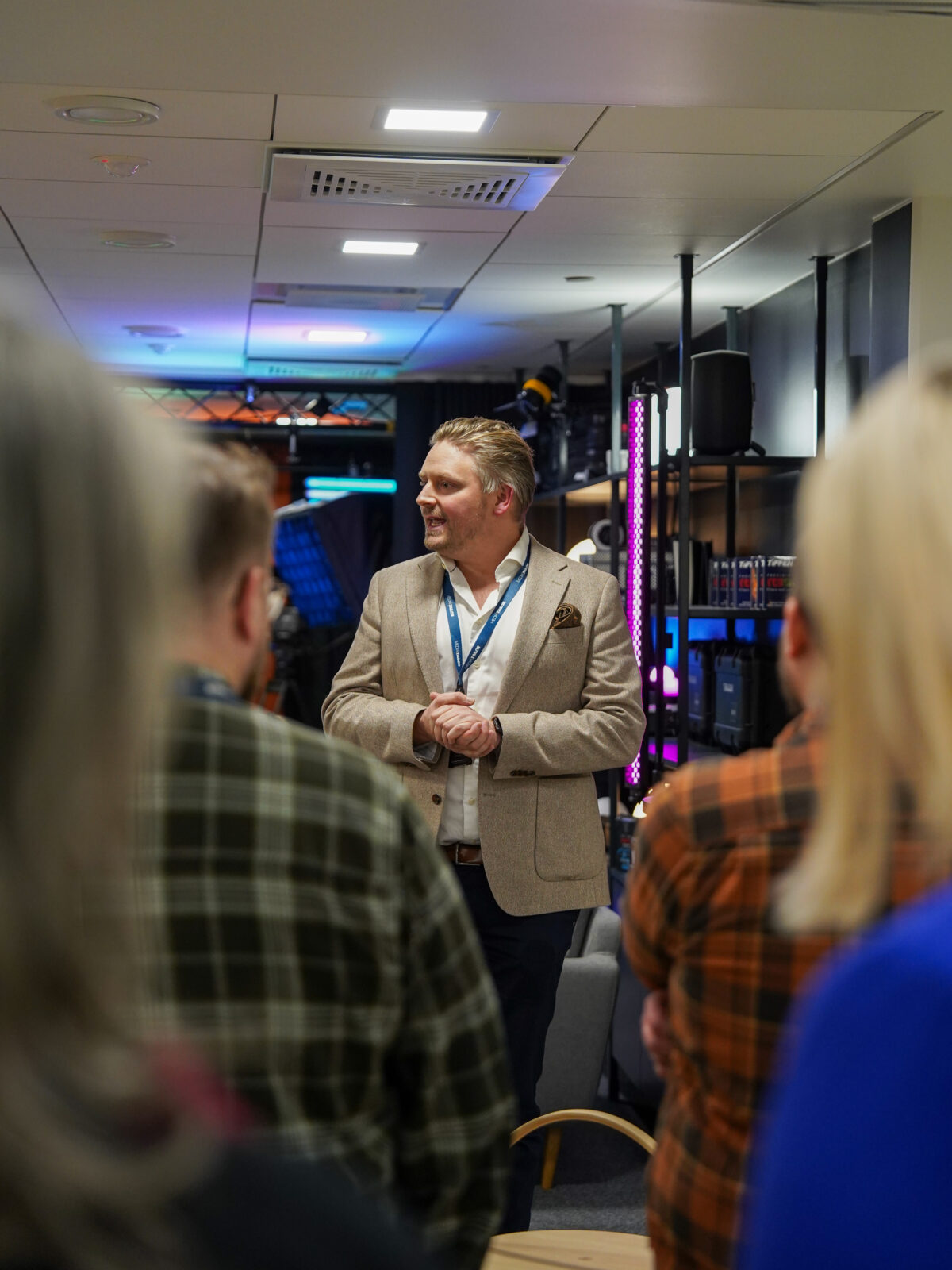
Markus Paul and David Mühle were on-site representing us. Here, they share key insights from the festival, covering the rise of HTML graphics, lightweight productions, sustainability, and more!
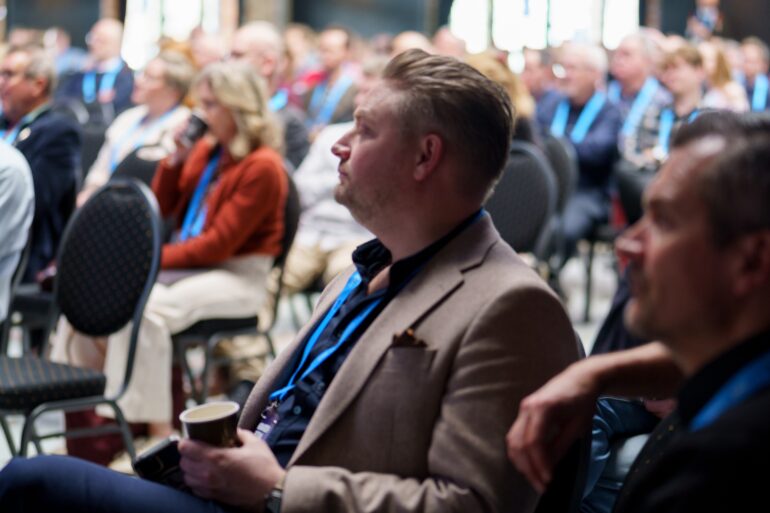
HTML graphics are the real deal
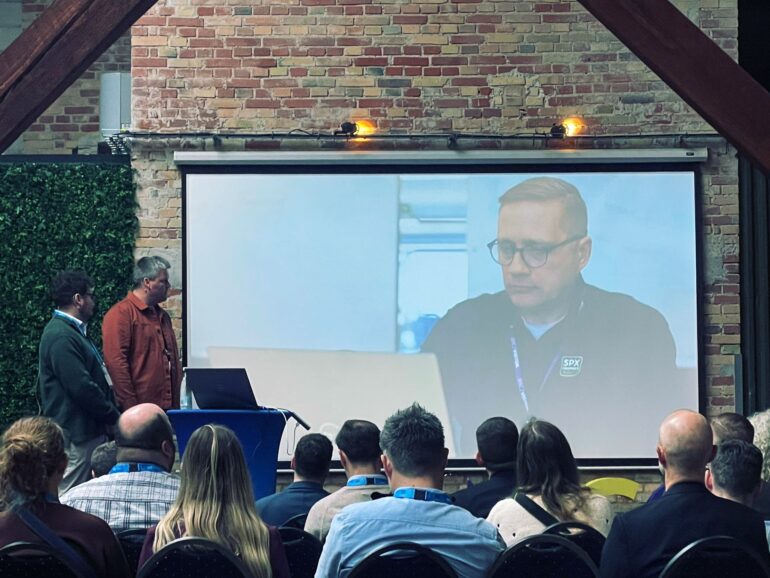
Earlier this year, SPX Graphics predicted that 2026 will be the biggest year for HTML-based graphics. Three months in and it’s easy to say that they knew what they were talking about.
Led by their Founder & CEO Tuomo Kulomaa, they had a strong presence throughout the event – both in sessions and vendor conversations. Even the BBC highlighted the benefits of modern and innovative HTML graphics on stage.
HTML graphics are clearly the direction the industry is heading. We are talking about a complete shift, where the entire broadcast industry is transitioning from legacy graphics software to the modern, HTML-based technologies.
There’s a reason the EBU launched its OGraf standard for HTML graphics.
Although the change and interest are real, nothing happens in the blink of an eye. A lot of companies are still warming up to HTML graphics as a concept. It’s not resistance – it just takes time to change the mindset and develop the organisational capabilities.
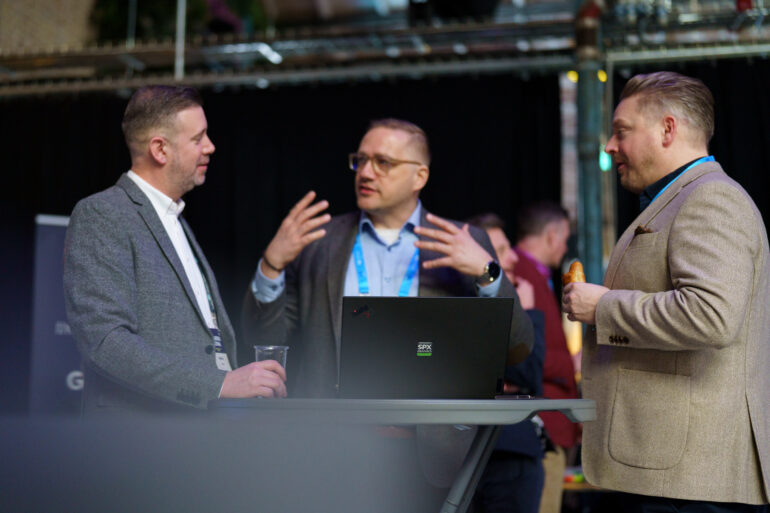
Lightweight productions
One of the clearest trends that came up was the shift towards smaller, more agile production setups. Seeing solutions built around a standard office desk with keyboard, mouse, and tools like Stream Deck featured in presentations from VGTV and SVT made it plain that high-quality output no longer requires large crews or heavy infrastructure.
This shift represents more than just a hardware upgrade. The modern broadcaster must now possess a hybrid skill set, mirroring the versatility of the proAV and YouTube creator worlds. And ever more important, focus on audience experience rather than broadcast standards, as Adde Granberg, Innovation Lead at SVT, said.
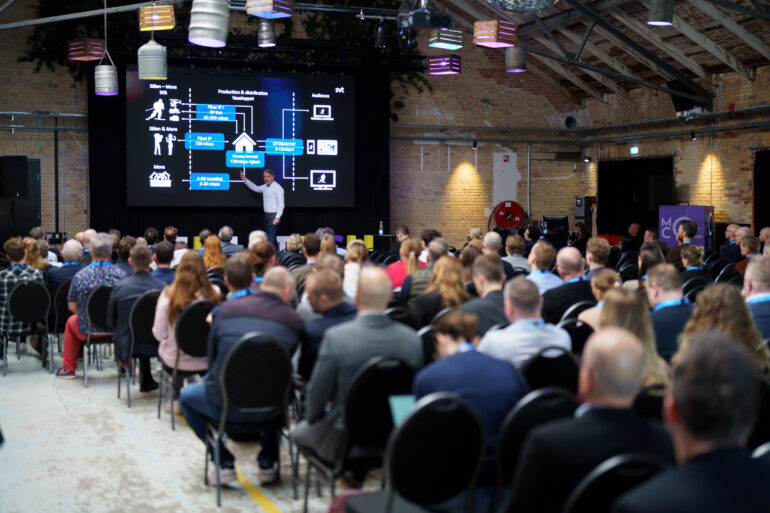
This agility redefines quality. It prioritises speed and authenticity over studio perfection, and enables cost-effective experimentation with new formats.
The challenge ahead is cultural, not technical. Traditional broadcasting hierarchies must adapt to these fluid, multi-role workflows to fully leverage the efficiency and innovation seen in the creator economy.
Balancing reach, trust, and viability
Vendors and media companies must pivot from a technology-first mindset to one centered on end-user experience and content substance. This means meeting audiences on their terms via TikTok, microdramas, and real-time analysis on emerging platforms.
However, presence alone is insufficient. Established brands must leverage their inherent credibility to act as verifiers in an era of synthetic media. They should ensure content remains authentic and relevant.
While AI offers undeniable potential for cost reduction and operational efficiency, it should augment, not replace, human judgment. Ultimately, the industry’s survival hinges on solving the monetization paradox: developing sustainable revenue models for short-form, platform-native content that do not compromise trust or user privacy.
Environment and sustainability as a priority
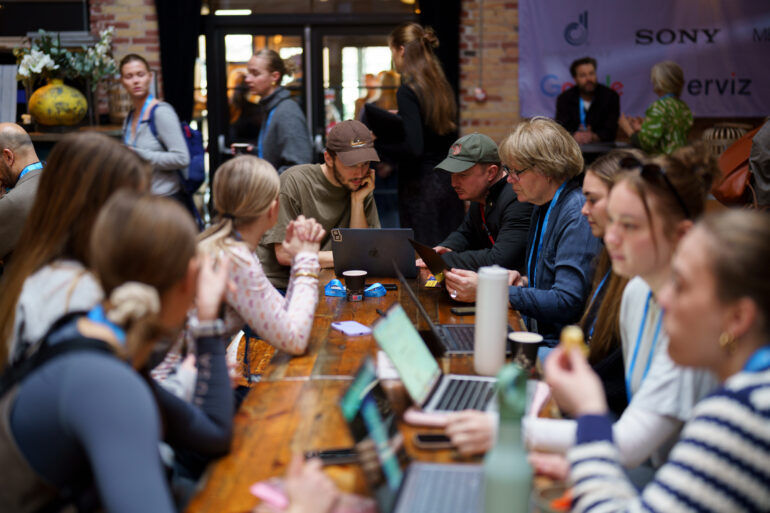
Sustainability came up repeatedly across keynotes, with several sessions focused on measuring and reducing CO2 in media production workflows. The direction is clear: this will become a baseline expectation rather than a differentiator.
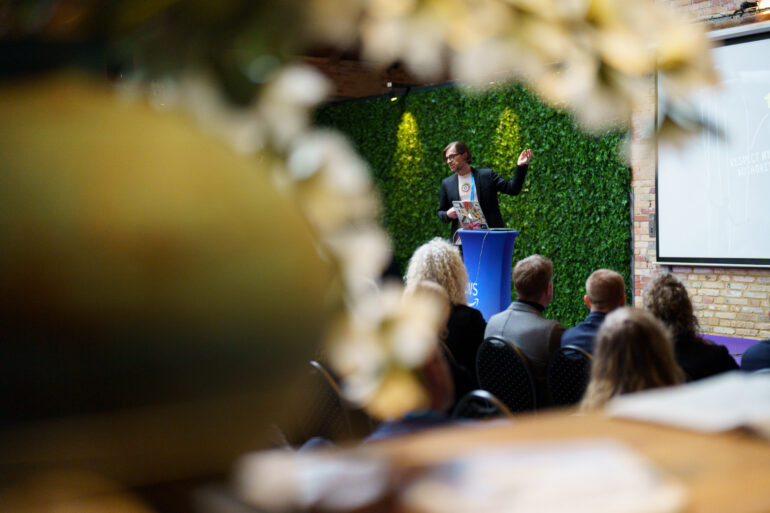
We take this as fantastic news. Reducing and compensating carbon emissions isn’t mandatory on paper, but in practice, we all live on this same planet. Therefore, it should be everyone’s responsibility to take care of our environment. To give you an example, check out our nature mission.
Future is now, not someday
Long story short: technology drives the change, but people and organisations are the ones who make it happen.
Drop a message to David or Markus to hear more about media tech and its future. They’re always ready for interesting talks over a cup of coffee.
Related articles
 Blog
Blog 2026: Ten Predictions for the Media Industry
Our COO Markus Paul shared his insights and predictions for 2026.
 News
News Media Tailor Has Invested in SPX Graphics to Accelerate HTML Graphics Adoption in the Nordics and Beyond
We have invested in SPX Graphics to support delivering OGraf-ready…
 News
News Nature Mission
Our nature mission is to mitigate climate change, increase natural carbon sinks and maintain the diversity of our unique nature. We spend 50 % of our company’s profits in fulfilling our…
 News
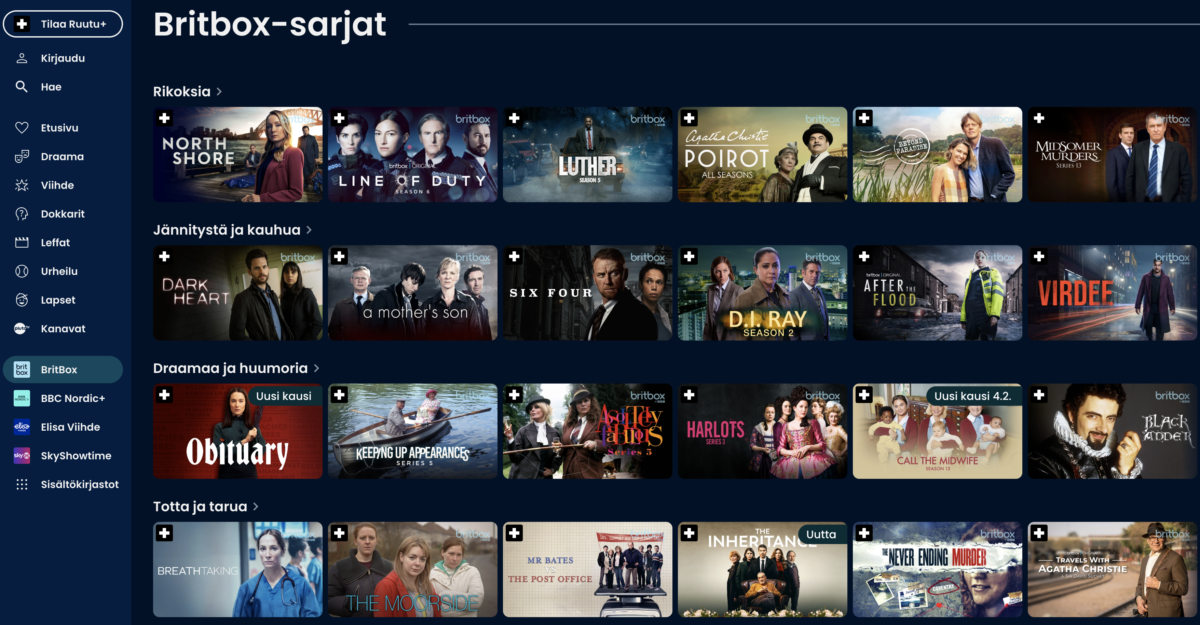
News Thousands of Hours of New Content to Ruutu – Media Tailor Responsible for Content Delivery
Media Tailor handled the reception, management, and delivery of content…