
Are Your Systems Ready for Summer Storms and Other Crises? Preparing Today is an Investment in the Future
In business, resilience isn’t optional. When you’re prepared correctly, you save yourself a world of hassle and some seriously hefty bills.
Got a quick minute to chat about your company’s resilience?
Now that we’ve crossed into the second half of May, it’s probably safe to say (by Finnish standards, at least) that winter is officially behind us and summer is just around the corner. Knock on wood, of course, no need to jinx it.
Summer brings its own challenges, like overheating server rooms and thunder-induced power outages. But does that really matter? After all, your trusty old server did just fine last year, right?
I won’t dive too deep into the turbulent geopolitical landscape of this past winter; I’ll leave everyone to consume their daily dose of that via their own preferred news outlets.
However, one thing is glaringly obvious to everyone: you never know what’s coming next. That’s why resilience has cemented itself as the latest buzzword, making its way all the way into official government statements.
As a buzzword, resilience first started spiking on Google back in 2014, and global politics was the driving force back then, too.
But fields like psychology and physics have used the term for much longer, describing it as elasticity, flexibility, grit, survivability, crisis tolerance, or business continuity.
The ancient, Latin-speaking Romans certainly couldn’t have guessed they were coining a term that perfectly describes a solid corporate IT setup – whether it’s running locally on-prem or living up in the cloud.
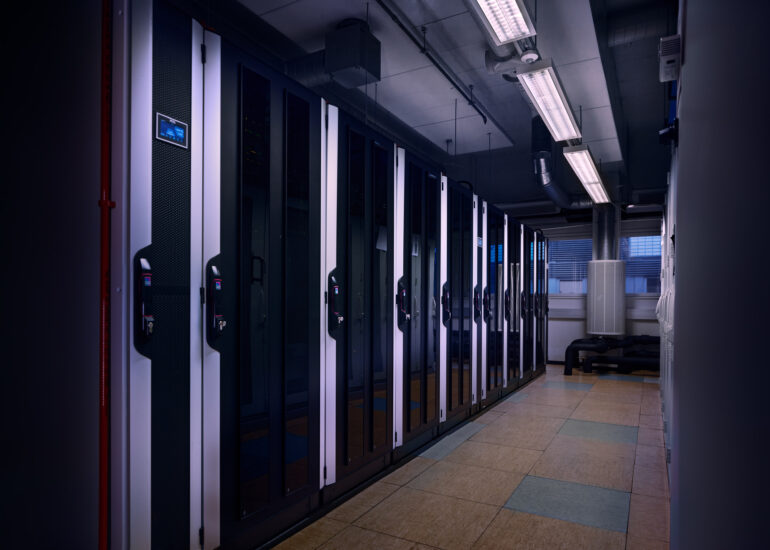
In our last Tailor’s Cut, Kristian Lauronen put the spotlight on the critical importance of metadata management. Hand in hand with that goes the preservation and persistence of both that metadata and the actual data itself. I cannot stress enough how important it is to ensure this.
How does your data stay intact and available when the local IT closet floods, or AWS’ infamous us-east-1 region goes down?
If half the internet is globally offline, is it acceptable for your team to be unable to work for 24 hours?
And what if everything was supposed to be safe in the cloud, meaning a regular internet outage would be fine, but someone accidentally wipes out critical data from the cloud service itself?
 Answering these exact types of high-stakes questions is what yours truly and other so-called industry specialists do for a living.
The whole concept can be broken down into three key pillars:
- Building a contingency plan
- Testing that plan in the real world
- Backing the plan with a proper budget
A solid contingency plan maps out the most likely disasters and crises that your company’s critical infrastructure, like production storage arrays, needs to survive.
If your server room suffers a prolonged power blackout, can you temporarily pull data from a secondary facility or a cloud backup solution, like Media Tailor’s Media Safe?
If the entire office burns down, how will your team work remotely with heavy video files, and how long can you afford to run in emergency mode? Who handles crisis communications for clients, partners, and subcontractors etc.
It’s also crucial to decide exactly how many hours of data loss your business can realistically tolerate. Without setting that baseline, facing an actual data loss scenario can be a brutal wake-up call.
The truth is, thinking these things through ahead is always the lesser of two evils.

Putting the plan to the test with simulation drills is absolutely critical. For example, having a data backup is great, but it’s infinitely more valuable if your team has actually practiced deploying it. You don’t want dozens of people burning through billable hours trying to remember what they were supposed to do while the system is down.
The third pillar is budgeting, which is the ultimate enabler. If you don’t invest in backups or allocate budget for regular hardware lifecycle refreshes, those funds will inevitably leak into something else. Then, when a risk becomes reality, the actual cost can easily skyrocket.
Training staff is a massive part of making this work. We actively partner with our clients across all three of these areas.

By thinking ahead and preparing today, you prevent a massive headache tomorrow. Don’t leave your system’s survival up to crossing your fingers, make it flexible and resilient. That way, you won’t be cursing under your breath later, and can focus on enjoying the summer from the comfort of the dock.
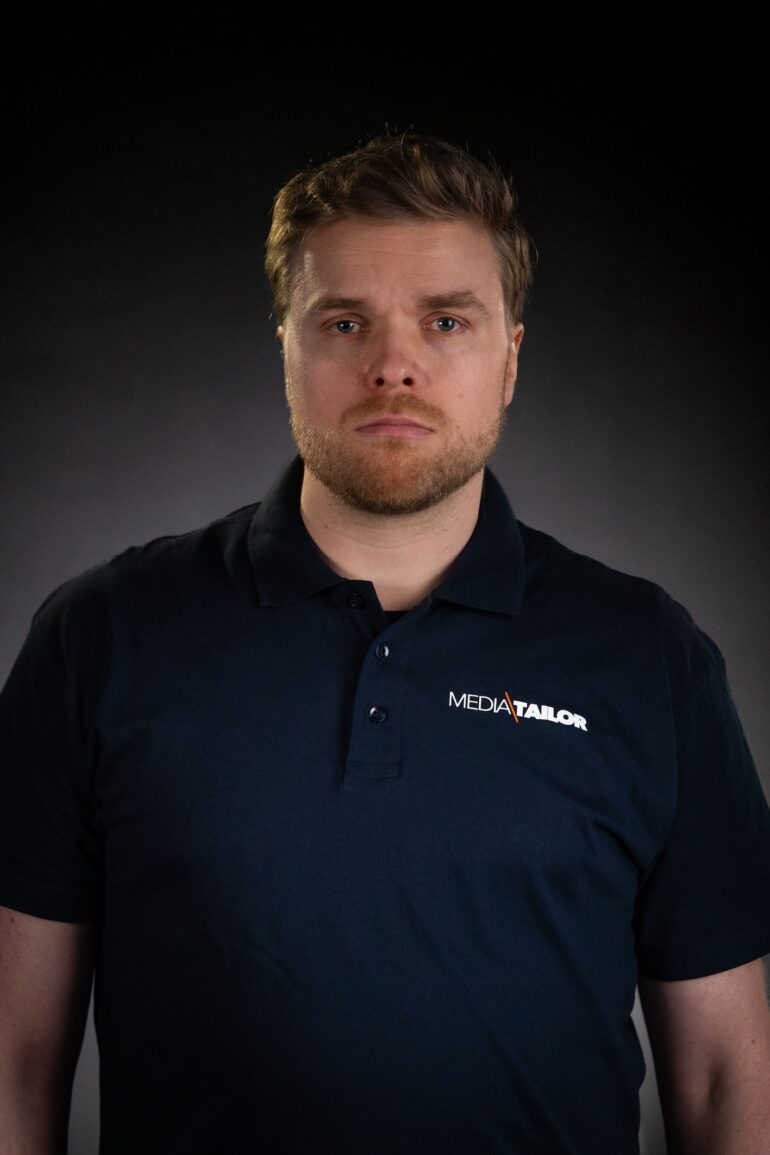
Jussi Elonen is a Project Manager at Media Tailor. For the sake of his own peace of mind, he makes sure no client’s business continuity ever goes under due to poor preparation.
If you want to chat more:
+358 50 529 6683
jussi.elonen@mediatailor.fi
Related articles
 Blog
Blog The Golden Age of Metadata
Vectors, XMP, EXIF, IPTC, JSON, Avro, Parquet, Big Data—the list grows and expands with every new technology. Leveraging and storing metadata is not a new concept.
 Blog
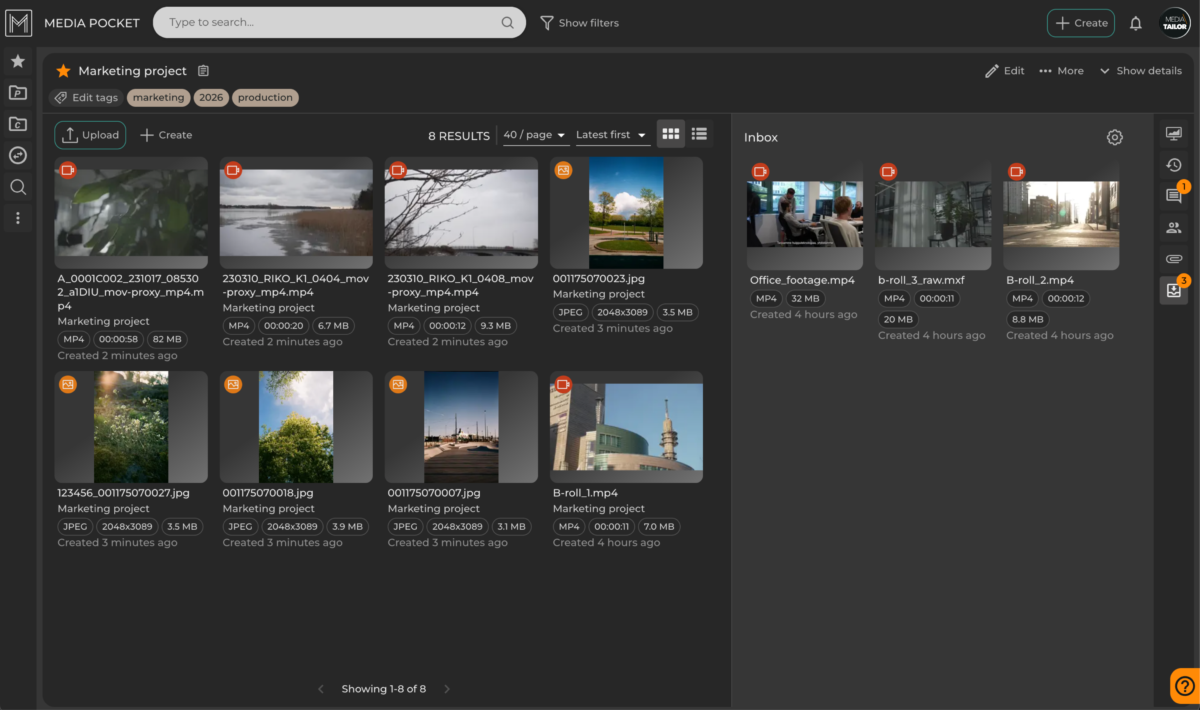
Blog Make Sharing Media Files Feel Effortless
If you’ve ever chased files across email threads, broken or account-protected cloud links, and “can you resend that?” messages, you already know the problem.…

 BANIJAY
At the Heart of Banijay Finland’s End-to-End Technology-as-a-Service Solution Lies Collaborative Innovation
Banijay Finland and Media Tailor have formed a strong, innovation-driven partnership.…
 News
News Seven More Years for Banijay Finland’s Comprehensive TaaS Agreement
Banijay’s TaaS package covers all post-production technology as well as comprehensive IT services. The longstanding partnership continues…